Wendy Wagner · 6 October 2026
Evaluation Reforms Drive Digital Language Tool Trials Across Polish Secondary Schools
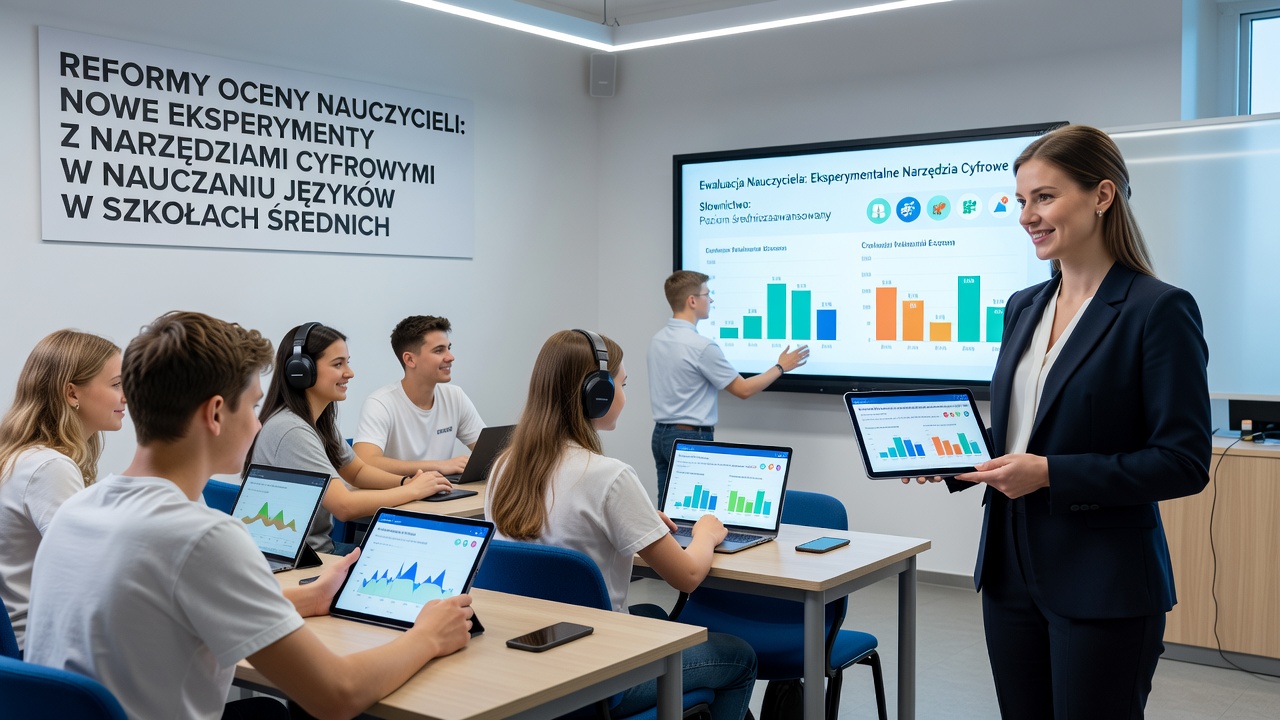
Reforms to lecturer evaluations in Poland have prompted secondary schools to explore digital platforms for language instruction, with several districts reporting initial pilots underway by October 2026. These changes adjust performance metrics for teachers to include measurable student engagement with technology, which in turn encourages adoption of apps and online modules for English, German, and French courses. Data from the Polish Ministry of Education shows that over 180 schools registered for related training programs during the 2025-2026 academic year, reflecting a coordinated shift toward blended instruction methods.
Background on Evaluation Adjustments
Updated criteria for lecturer assessments now weight digital integration at 25 percent of total scores, a figure drawn from guidelines issued by the Central Examination Board in Warsaw. This adjustment replaces earlier emphasis on traditional classroom observation alone and aligns with broader European Union targets for digital skills outlined in the 2023 Digital Education Action Plan. Schools receive additional funding allocations when at least 40 percent of language classes incorporate approved software, creating direct incentives for administrators to test new systems.
Researchers at the University of Warsaw documented early patterns in a 2025 report, noting that language departments adapted faster than science or mathematics faculties because existing textbook publishers already offered companion digital versions. One study tracked 42 Warsaw-area schools and found average weekly usage of language apps rose from 1.2 hours per class in September 2025 to 3.8 hours by March 2026.
Digital Tool Experiments in Practice
Participating schools have introduced platforms such as Duolingo for Schools, Memrise, and localized Polish-developed solutions that integrate with national curriculum standards. Teachers log student progress through built-in analytics dashboards, which feed directly into evaluation portfolios required by regional inspectors. In Kraków, a pilot involving 12 classes replaced one weekly lesson with self-paced modules that adapt difficulty based on individual performance data, allowing instructors to focus remaining time on conversation practice.
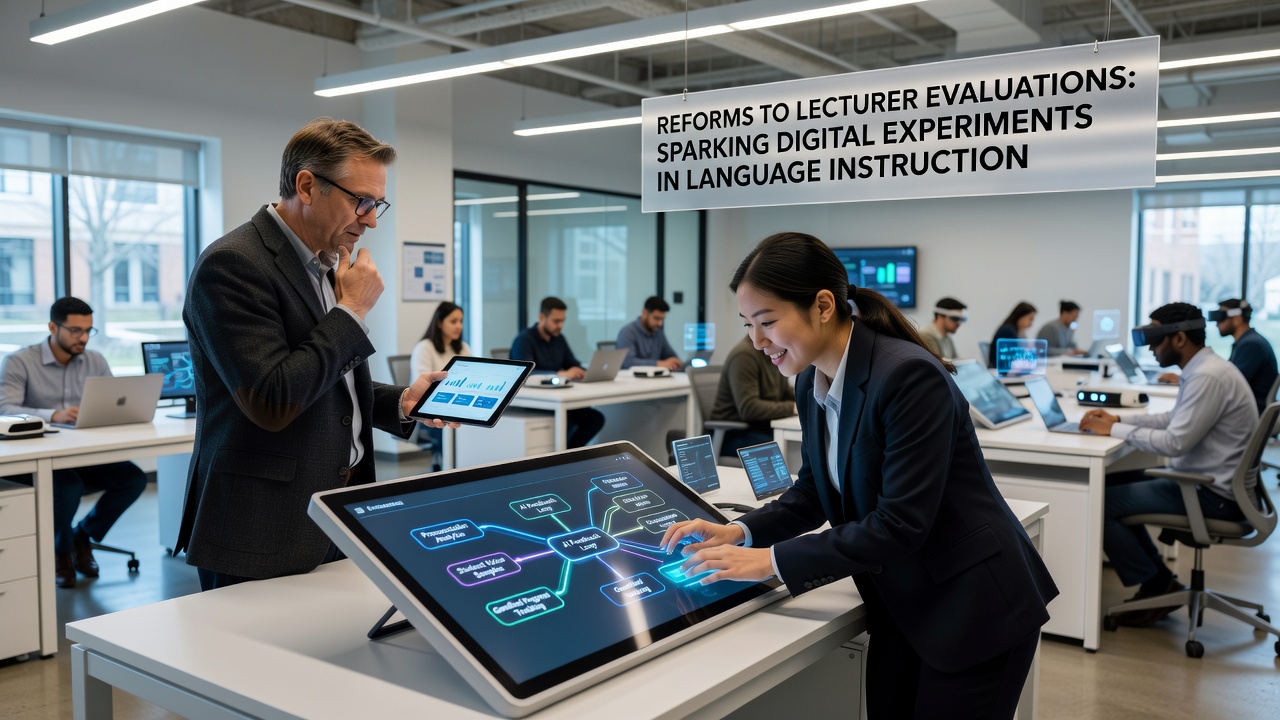
Observers note that rural schools face distinct logistical hurdles compared with urban counterparts, yet several have secured grants through the National Centre for Research and Development to install necessary hardware. A joint project between three voivodeships recorded participation from 67 institutions, with preliminary results indicating improved vocabulary retention rates among students using adaptive algorithms. Figures released by the OECD in its 2026 education indicators report place Poland among the faster adopters of such hybrid models within the Central European region.
Teacher Training and Support Structures
Professional development programs now emphasize both technical proficiency and pedagogical alignment, with sessions delivered through regional teacher training centers. The European Commission has referenced Poland's approach in a 2026 policy brief on digital competence frameworks, highlighting the linkage between evaluation reform and structured upskilling. Schools that complete the full training sequence receive certification that counts toward future promotion pathways for participating lecturers.
Case examples include a school in Gdańsk where language teachers formed peer mentoring groups to share lesson templates built around specific apps, resulting in standardized reporting practices across year groups. Data collected through these groups shows consistent gains in student self-reported confidence when using the tools for homework reinforcement, though long-term outcome studies remain ongoing.
Conclusion
By October 2026 the combination of revised evaluation metrics and targeted funding has produced a measurable uptick in digital language instruction experiments throughout Polish secondary classrooms. Continued monitoring by national and international bodies will determine whether these pilots translate into sustained improvements in language proficiency scores across diverse school settings.