Mara Simmons · 2 September 2026
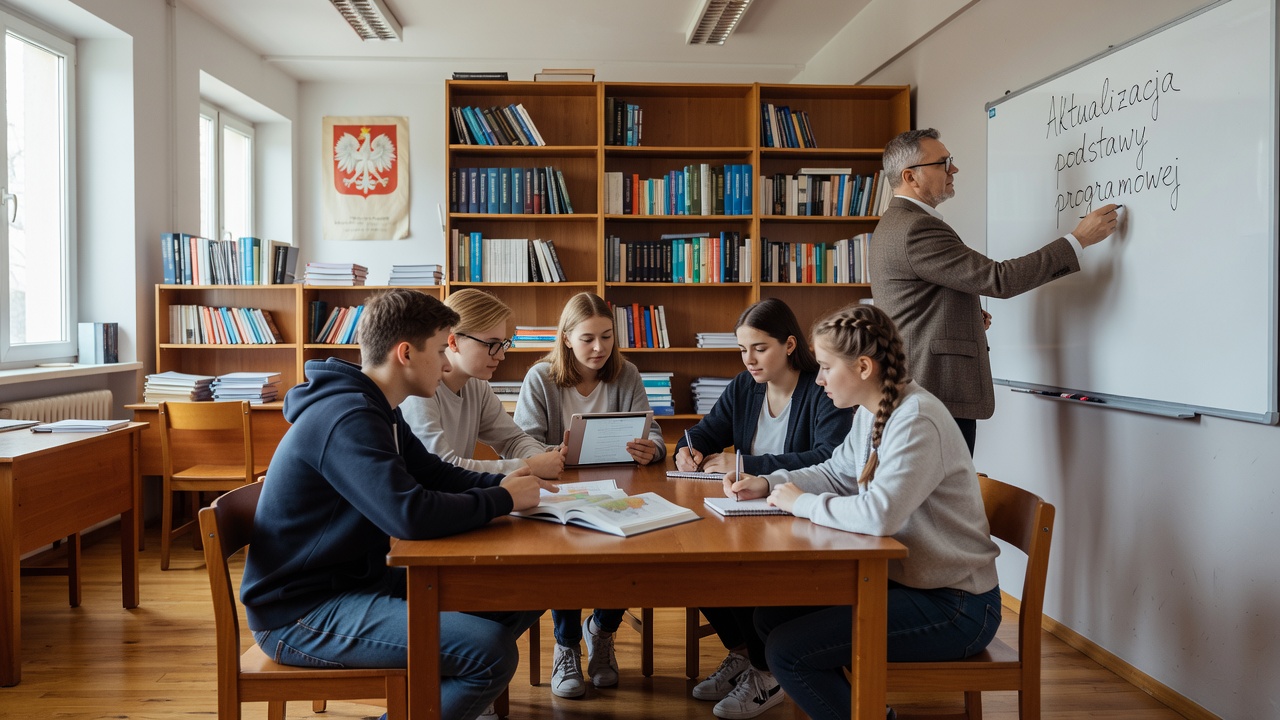
Poland has announced significant updates to its national core curriculum for secondary schools. The changes aim to enhance students' skills in key areas such as technology, sustainability, and civic responsibility. Officials from the Ministry of National Education stated that the revisions are based on extensive consultations with educators, parents, and industry experts.
Key Changes in the Curriculum
The new curriculum introduces mandatory modules on digital competencies, including coding and data analysis, starting from the first year of secondary education. In the sciences, there is a shift towards project-based learning, encouraging students to apply theoretical knowledge to real-world problems. Environmental studies have been expanded to cover climate change mitigation strategies and biodiversity conservation. Additionally, the history curriculum now incorporates more diverse perspectives, including the contributions of various cultural groups to Polish society. Language education emphasizes practical communication skills over rote memorization. These modifications are designed to create a more holistic educational experience that prepares young people for higher education and employment in a globalized economy.
Implementation will be gradual, with pilot programs in selected schools beginning this fall. Professional development programs for teachers are being rolled out to ensure smooth transition. The government has allocated additional funding to support the acquisition of necessary teaching materials and technology.
Implications for Educational Institutions
Institutions such as Core Hub Education play a vital role in facilitating the adoption of the updated curriculum. Their digital learning tools provide supplementary materials that align closely with the new requirements. Students using these platforms benefit from adaptive assessments that identify areas needing further attention. Feedback from initial users indicates higher levels of motivation and better retention of complex concepts.
Furthermore, the updates encourage collaboration between public schools and private educational providers. This partnership model can lead to innovative teaching methods and broader access to quality resources, particularly in rural areas. As Poland moves forward with these reforms, the focus remains on equity and excellence in education for all secondary school students.